
Small apartment occupants want dependable backup power without cumbersome equipment or pollutants. A portable solar-powered generator provides clean, silent electricity in small settings. These generators charge via solar panels, electrical outlets, or even carports, making them ideal for apartment life. Whether you're working from home, charging gadgets, or planning for outages, a tiny model may suit your demands without taking up too much space in your house. This tutorial discusses why solar generators are suitable for apartment usage, what they can power, and how to select one that is safe, efficient, and easy to store in constrained urban areas.
Why Are Compact Solar Generators a Good Fit for Small Apartments?
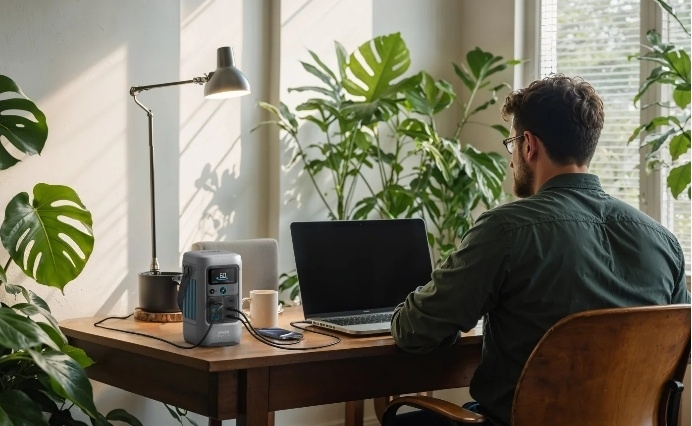
Compact solar generators are great for tiny apartments since they take up little room, run quietly, and don't require fuel or ventilation. Unlike gas generators, they are suitable for interior usage and may be kept in closets, beneath beds, or in cupboards. During brief outages or grid interruptions, they offer critical power to devices and small appliances. They are well-suited to apartment limits because of their many charging choices, which include solar panels and wall plugs. Many versions weigh less than 20 pounds, making them convenient to transport between rooms or use on the road. Compact solar generators provide convenience, safety, and everyday usefulness to city dwellers looking for eco-friendly backup power without taking up much room.
What Can a Compact Solar Generator Power in an Apartment?
Powering Phones, Laptops, Routers, and Home Office Gear
A small solar-powered generator is ideal for keeping your key home office and communication gadgets running during outages or when working remotely. Phones consume 5-15 watts, laptops 50-100 watts, while the majority of routers use less than 20 watts. A 300-500Wh generator can recharge phones numerous times and power a laptop and wifi for several hours. Use USB-C or DC connectors to save energy and prevent inverter loss. Many versions also enable LED desk lighting and portable displays, allowing you to stay productive. If you work from home or rely on internet access, a small solar generator guarantees that your most crucial technology remains operational when the power goes out.
Running Lights, Fans, and Small Kitchen Appliances
Compact solar generators can readily power low-wattage household gadgets like LED lights, tabletop fans, and tiny kitchen appliances. LED bulbs require 5-10 watts of power, providing several hours of illumination per charge. Desk or pedestal fans vary from 30-70 watts, making them ideal for ventilation on hot days or in congested spaces. Small kitchen appliances such as blenders, electric kettles, and rice cookers generally demand 300-700 watts and may only be appropriate for short-term usage if the generator can handle that load. Plan your usage carefully to minimize overload and extend battery life. Running these gadgets one at a time, rather than simultaneously, enables your solar generator to perform important everyday duties even in a small flat.
Supporting Emergency Needs During Short Power Outages
During temporary power outages, a small solar generator keeps you connected and comfortable. It powers lamps, rechargeable lanterns, phones, fans, and communication devices such as radios or modems. You can charge medical equipment such as CPAP machines as long as the wattage does not exceed the generator's limit. A 500Wh unit can power a small refrigerator or cooler for several hours, preserving food and medication. It is safe to use in bedrooms or communal places, even at night, because it produces no emissions or noise. Keep your generator well-charged and ready, especially in hurricane-prone locations or during power repair. Compact solar power generators provide city inhabitants with peace of mind and self-sufficiency without taking up valuable living space.
How Do You Choose the Right Compact Solar Generator for Apartment Use?
Capacity, Output Limits, and Realistic Expectations
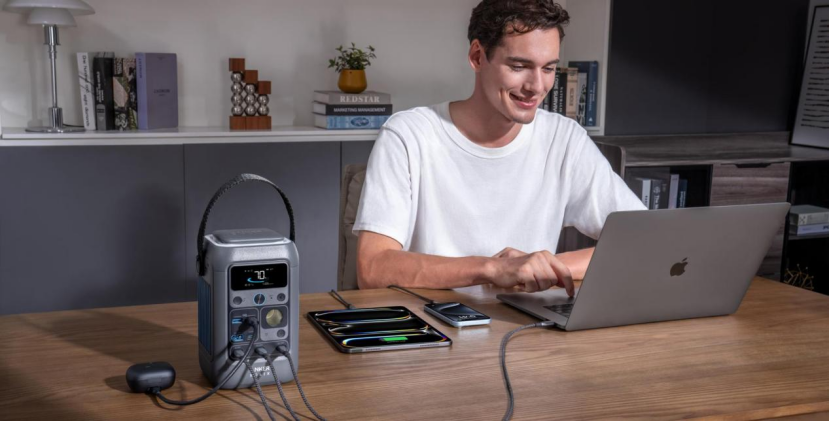
Begin by naming the devices you wish to power and determining their wattage. Then, compare that to the generator's capacity (watt-hours) and output. Most flats require a 300-700Wh model to offer backup power for phones, computers, fans, and lighting. Make sure the output rating surpasses the wattage of your most in-demand equipment. Understand the distinction between continuous and surge output—especially for anything involving motors. Do not expect tiny generators to power heaters, ovens, or major appliances. Understanding your real use avoids overwhelm and disappointment. Balance capacity, space, and weight to ensure that the generator fits comfortably in your living space while providing electricity during outages or everyday usage.
Charging Options for Apartments Without Outdoor Space
Apartments often lack balconies or outdoor access, making solar-only charging difficult. Look for a compact solar power generator that also charges via AC wall outlets. Most models can recharge completely from a regular socket in 4-8 hours. Some allow for automobile charging to recharge mobile devices while driving. If you have access to a window or ledge with direct sunshine, consider tiny foldable solar panels with suction-cup mounts or adjustable supports. Indoor window charging works effectively with panels rated between 60 and 120 watts; however, it is slower. Combining AC and solar charging allows for greater flexibility and assures that the item is ready when needed. For tenants without roof access, selecting a solar power generator with several input choices is critical for practical, dependable charging in an urban environment.
Safety Features, Certifications, and Ease of Use
When selecting a tiny solar-powered generator for your apartment, emphasize safety and the convenience of use. Look for models that include UL certifications, overcharge protection, surge protection, and temperature control. LiFePO₄ batteries outperform typical lithium-ion batteries in terms of stability and longevity. Non-technical users may easily monitor input, output, and battery life via touchscreen displays or companion applications. Select a unit with various output ports, such as USB-C, AC, and DC, for maximum device compatibility. If you reside in a multi-unit structure, consider fanless or low-noise designs. With the correct safety measures and simple controls, your solar generator may become a worry-free component of your apartment's energy system.
Conclusion
A modest solar-powered generator is a practical, space-saving alternative for small apartments. It delivers clean, silent energy for daily use as well as emergency backup, with no fuel, fumes, or complicated setup. From powering laptops and fans to keeping lights and refrigerators running during power outages, the appropriate device provides convenience and peace of mind. These generators are ideal for tight urban living areas because of their indoor charging choices, built-in safety measures, and portable design. Whether you're prepared for an outage or seeking a more environmentally friendly method to stay powered, compact solar generators provide dependable performance, flexibility, and convenience of use straight from your apartment.